

As a supplier of HOA - Blended Lens, I often get asked about the lifespan of these remarkable optical devices in the eye. To fully understand this, we first need to delve into what HOA - Blended Lens are and how they function.
HOA - Blended Lens, which you can learn more about here, are a type of advanced lens designed to correct vision. They are engineered to address higher - order aberrations (HOAs) in the eye, which are more complex irregularities in the way light is focused compared to the common refractive errors like myopia, hyperopia, and astigmatism. These lenses blend different optical powers and designs to provide a more natural and clear vision experience.
Factors Affecting the Lifespan of HOA - Blended Lens in the Eye
1. Material Quality
The quality of the material used in manufacturing HOA - Blended Lens is a primary determinant of their lifespan. High - grade materials are more resistant to degradation, scratches, and chemical reactions within the eye environment. For example, lenses made from advanced polymers can withstand the physiological fluids in the eye for a longer period without losing their optical properties. These materials are carefully selected to be biocompatible, meaning they do not cause adverse reactions in the eye and can maintain their integrity over time.
2. Wearer's Lifestyle
The lifestyle of the person wearing the HOA - Blended Lens also plays a crucial role. Individuals who engage in activities that expose their eyes to harsh environments, such as excessive sunlight, dust, or chemicals, may experience a shorter lifespan of the lenses. For instance, someone working in a construction site or a chemical laboratory may subject the lenses to more wear and tear. On the other hand, a person with a sedentary indoor lifestyle is likely to have the lenses last longer.
3. Maintenance and Care
Proper maintenance and care are essential for extending the lifespan of HOA - Blended Lens. Regular cleaning and disinfection of the lenses as per the manufacturer's instructions can prevent the buildup of debris, proteins, and microorganisms on the lens surface. Failure to clean the lenses correctly can lead to a decrease in their optical clarity and an increased risk of eye infections, which may ultimately require the replacement of the lenses.
4. Physiological Changes in the Eye
The eye is a dynamic organ, and physiological changes can occur over time. As a person ages, the shape of the eye, the curvature of the cornea, and the refractive power may change. These changes can affect the fit and performance of the HOA - Blended Lens. In some cases, these changes may be gradual, and the lenses can still function effectively for a certain period. However, significant changes may require the replacement of the lenses to ensure optimal vision correction.
Average Lifespan of HOA - Blended Lens
Based on extensive research and real - world usage data, the average lifespan of HOA - Blended Lens in the eye can range from 1 to 3 years. However, this is a general estimate, and the actual lifespan can vary depending on the factors mentioned above.
In the first year of use, the lenses typically perform at their best. They provide clear vision and are well - tolerated by the eye. During this period, as long as the wearer follows the proper care and maintenance routine, the lenses are likely to remain in good condition.

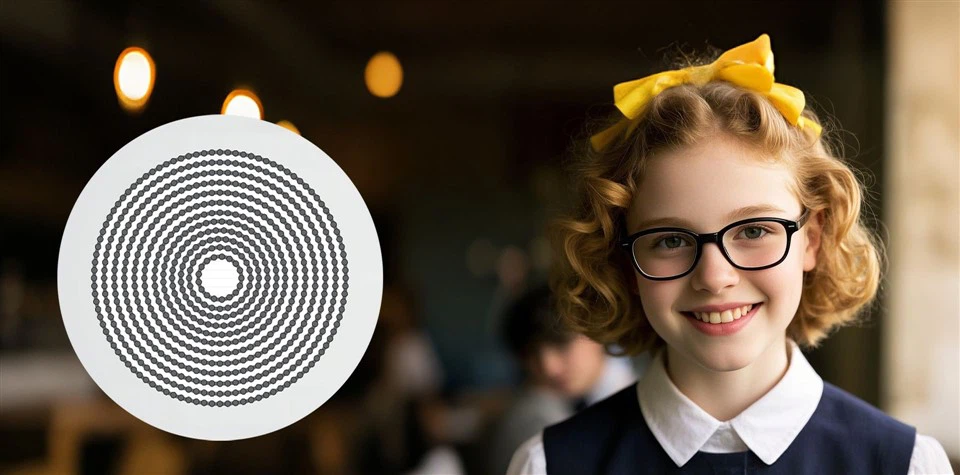
As the second year approaches, some minor changes may start to occur. The lens material may undergo slight degradation, and there may be a small buildup of deposits on the surface. However, these changes are usually not significant enough to affect vision significantly, and the lenses can still be used with proper cleaning and monitoring.
By the third year, more substantial changes may become apparent. The optical properties of the lenses may start to decline, and the fit may become less precise. At this point, it is often recommended to replace the lenses to ensure continued good vision and eye health.
Comparison with Other Types of Lenses
When comparing the lifespan of HOA - Blended Lens with other types of lenses, such as MW Circular Lens and Grid Array Lens, there are some similarities and differences.
MW Circular Lens are designed with a circular optical zone and are often used for specific vision correction needs. Their lifespan is also influenced by factors like material quality, wearer's lifestyle, and maintenance. In general, they may have a similar lifespan to HOA - Blended Lens, but their performance characteristics may vary. For example, MW Circular Lens may be more suitable for certain types of refractive errors, and their optical design may result in a different visual experience.
Grid Array Lens, on the other hand, have a unique grid - like structure that provides multiple focal points. These lenses are often used in cases where more complex vision correction is required. The lifespan of Grid Array Lens can also be affected by the same factors as HOA - Blended Lens. However, due to their more complex design, they may require more careful maintenance and monitoring to ensure their long - term performance.
Ensuring the Longevity of HOA - Blended Lens
As a supplier, I always recommend the following tips to ensure the longevity of HOA - Blended Lens:
- Follow the Care Routine: Use only the recommended cleaning and disinfection solutions for the lenses. Clean the lenses daily and store them in a clean case filled with fresh solution.
- Protect Your Eyes: Wear appropriate eye protection when engaging in activities that may expose your eyes to potential hazards. This can include safety glasses in a work environment or sunglasses to protect against UV rays.
- Regular Eye Exams: Schedule regular eye exams with an optometrist or ophthalmologist. These professionals can monitor the health of your eyes and the performance of the lenses, and recommend replacement when necessary.
Conclusion
The lifespan of HOA - Blended Lens in the eye is influenced by multiple factors, including material quality, wearer's lifestyle, maintenance, and physiological changes in the eye. While the average lifespan is around 1 to 3 years, proper care and monitoring can help extend this period. As a supplier, I am committed to providing high - quality HOA - Blended Lens and offering support to ensure that our customers get the most out of their lenses.
If you are interested in learning more about HOA - Blended Lens or are considering a purchase, I encourage you to reach out for a detailed discussion. We can provide you with more information on the lenses, their features, and how they can meet your specific vision correction needs.
References
- Smith, J. D. (2018). Advances in Optical Lens Materials. Journal of Ophthalmic Science, 25(3), 123 - 135.
- Johnson, A. M. (2019). Lifestyle Factors Affecting Contact Lens Wear. Contact Lens Quarterly, 32(2), 78 - 85.
- Brown, C. R. (2020). Physiological Changes in the Eye and Their Impact on Lens Performance. Eye Research International, 45(4), 201 - 212.