

Hey there! As a supplier of myolens, I've gotten a ton of questions from folks wondering if myolens can be used alongside other vision correction methods. Well, let's dig into this topic and see what we can find out.
First off, let's quickly go over what myolens are. Myolens are special lenses designed to help with myopia, or nearsightedness. They work in different ways to slow down the progression of myopia, and we have a few types, like the Diffusion-Blended Lens, HOA-Blended Lens, and WTR Lens. Each type has its own unique features and benefits, but they all aim to make a difference in managing myopia.
Now, onto the big question: Can myolens be used with other vision correction methods? The short answer is, it depends. Let's break it down by looking at some common vision correction methods out there.
Glasses
Glasses are probably the most well - known vision correction method. They're easy to use, and you can get different prescriptions for different needs. When it comes to using myolens with glasses, it's possible in some cases. For example, if you have mild myopia and you're using myolens to try and slow down its progression, you might still need to wear regular glasses for distance vision. The myolens can be used during specific activities, like reading or using digital devices, while the glasses are for when you need clear vision at a distance.
However, it's important to note that you should consult an eye care professional. They can assess your eyes and determine if this combination is right for you. They'll take into account things like your prescription, the severity of your myopia, and your daily activities.

Contact Lenses
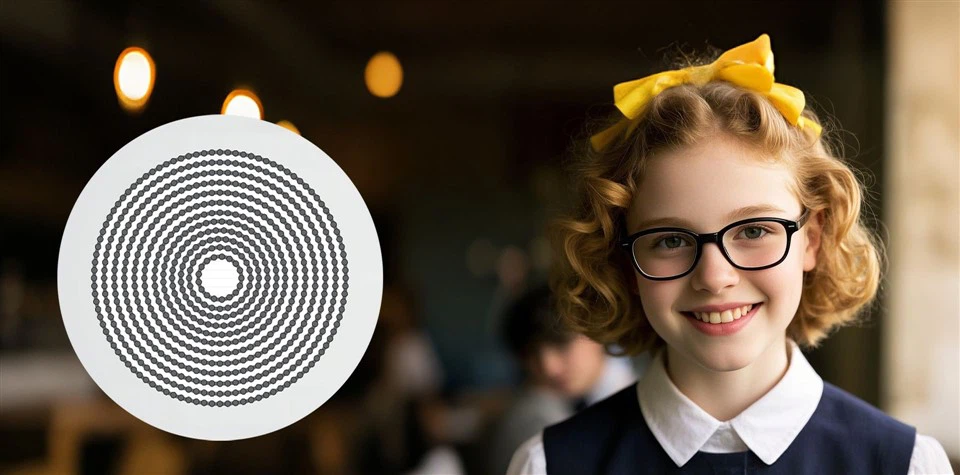
Contact lenses are another popular option. There are different types of contact lenses, like soft lenses and rigid gas - permeable lenses. Using myolens with contact lenses is a bit more complicated. Some people might think they can wear myolens over their contact lenses, but this is generally not a good idea. Contact lenses are designed to sit directly on the eye, and adding another lens on top can cause discomfort, affect the oxygen supply to the eye, and potentially damage the eye.
On the other hand, there are specialized contact lenses that are also used for myopia control. In this case, you'd have to choose between using myolens or the myopia - controlling contact lenses. Again, an eye doctor can help you decide which option is better based on your individual situation.
LASIK and Other Surgical Procedures
LASIK and other surgical procedures are more permanent solutions for vision correction. These procedures reshape the cornea to correct refractive errors. If you've had LASIK or are considering it, using myolens might not be necessary. LASIK aims to correct your vision so that you no longer need glasses or contact lenses. Once the surgery is done, your eye doctor will monitor your eyes to make sure everything is healing properly.
If you're still in the early stages of considering LASIK and you're using myolens to slow down myopia progression, you should talk to your eye surgeon. They can tell you if you need to stop using the myolens before the surgery and when you can start using them again (if at all) after the surgery.
Orthokeratology (Ortho - K)
Ortho - K is a non - surgical method where you wear special contact lenses overnight. These lenses reshape the cornea while you sleep, and you can have clear vision during the day without glasses or contact lenses. Using myolens with Ortho - K is not common. Ortho - K is a comprehensive myopia control method on its own, and using myolens at the same time might not provide additional benefits and could potentially cause issues with the cornea's shape.
Factors to Consider
When thinking about combining myolens with other vision correction methods, there are a few factors you need to keep in mind.
Comfort
Your comfort is key. Wearing multiple vision correction devices at the same time can be uncomfortable. For example, if you try to wear myolens and glasses together, the glasses might press on the myolens, causing discomfort. You want to make sure that whatever combination you choose doesn't make you feel like your eyes are constantly strained or irritated.
Cost
Cost is another important factor. Different vision correction methods come with different price tags. Myolens, glasses, contact lenses, and surgical procedures all have their own costs. Using multiple methods at the same time can add up quickly. You need to think about your budget and whether it's worth it to use multiple methods for your vision correction.
Effectiveness
The main goal of using myolens is to slow down the progression of myopia. You need to consider if using myolens with another vision correction method will actually enhance the effectiveness. In some cases, using them together might not provide any additional benefits and could even interfere with each other's effectiveness.
Benefits of Using Myolens Alone
Even though combining myolens with other vision correction methods is possible in some cases, there are also benefits to using myolens alone.
Myolens are specifically designed to target myopia progression. They work by creating a certain optical environment on the eye that can slow down the growth of the eye, which is what causes myopia to get worse. When you use myolens alone, you can focus on getting the most out of their myopia - controlling properties.
They're also convenient. You can just put them on when you need them, and they're relatively easy to use. You don't have to worry about coordinating different devices or dealing with the potential complications of using multiple vision correction methods.
Conclusion
So, can myolens be used with other vision correction methods? The answer is that it's possible in some situations, but it's not a one - size - fits - all solution. You need to consult an eye care professional. They have the knowledge and experience to assess your eyes and give you the best advice.
If you're interested in learning more about myolens or are thinking about using them, I'm here to help. As a myolens supplier, I can provide you with more information about our products, including the Diffusion-Blended Lens, HOA-Blended Lens, and WTR Lens. If you're a business looking to purchase myolens, we can also have a chat about procurement and how we can work together to meet your needs. Just reach out, and let's start the conversation!
References
- American Academy of Ophthalmology. (2023). Myopia: Causes, Symptoms, and Treatment.
- World Health Organization. (2022). Vision: Global Action Plan 2019 - 2023.
- Optometry and Vision Science. (2021). Research on Myopia Control Methods.