

Diffusion - Blended Lens technology has emerged as a revolutionary advancement in the field of photography, especially when it comes to DSLR cameras. As a supplier of Diffusion - Blended Lens, I am excited to share with you how these lenses perform on DSLR cameras and why they are a game - changer for photographers.
Understanding Diffusion - Blended Lens
Before delving into its performance on DSLR cameras, let's first understand what a Diffusion - Blended Lens is. A Diffusion - Blended Lens combines the principles of diffusion and focusing to create a unique optical effect. Diffusion is the process of scattering light, which can soften harsh shadows and reduce the appearance of imperfections in an image. At the same time, the focusing ability of the lens ensures that the main subject remains sharp and clear.
This combination is achieved through a complex optical design that integrates diffusing elements with traditional lens elements. The result is a lens that can capture images with a dreamy, soft - focus look while still maintaining the necessary sharpness for a professional - grade photograph.
Image Quality and Aesthetic Appeal
One of the most significant advantages of using a Diffusion - Blended Lens on a DSLR camera is the enhanced image quality and aesthetic appeal it brings. When shooting portraits, for example, the diffusion effect can smooth out skin tones, making the subject look more flattering and reducing the visibility of fine lines and blemishes. This is particularly useful for portrait photographers who want to create a soft, romantic look in their images.
In landscape photography, the Diffusion - Blended Lens can add a sense of depth and atmosphere. The diffused light can create a hazy, otherworldly effect, making the landscape appear more mysterious and inviting. The sharp focus on the main elements of the scene, such as mountains or trees, ensures that the image remains clear and detailed.
Moreover, the Diffusion - Blended Lens can also improve the color saturation and contrast of an image. The diffusion process can help to distribute light more evenly across the frame, reducing the likelihood of overexposed or underexposed areas. This results in a more balanced and vibrant image, with rich, saturated colors that really pop.
Low - Light Performance
DSLR cameras are known for their excellent low - light performance, and the Diffusion - Blended Lens can further enhance this capability. In low - light situations, such as indoor events or night photography, the diffusion effect can help to reduce noise and grain in the image. By scattering the light, the lens can prevent the sensor from being overwhelmed by bright spots, resulting in a cleaner and more detailed image.
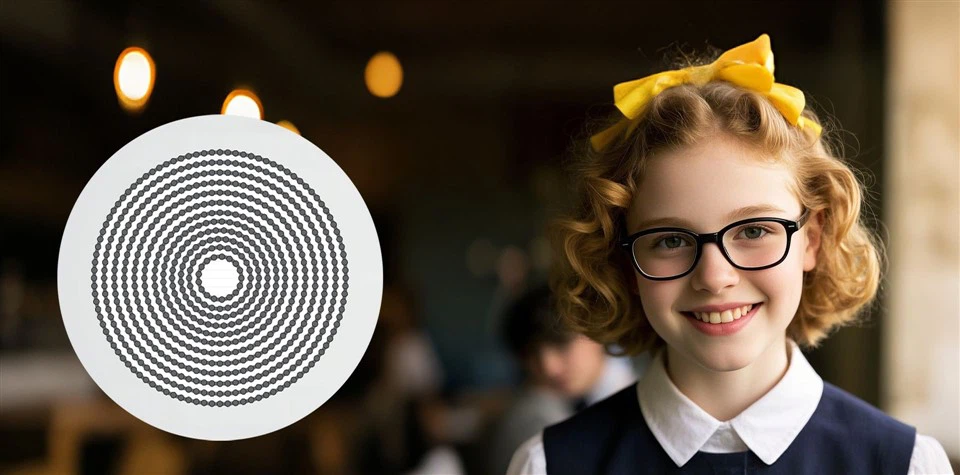

The Diffusion - Blended Lens also has a wider aperture compared to some traditional lenses. This allows more light to enter the camera, which is essential for low - light shooting. With a wider aperture, photographers can use a faster shutter speed, reducing the risk of blurry images caused by camera shake.
Compatibility with DSLR Cameras
Another important aspect is the compatibility of the Diffusion - Blended Lens with DSLR cameras. Our lenses are designed to be compatible with a wide range of DSLR camera models from major manufacturers such as Canon, Nikon, Sony, and Pentax. This means that photographers can easily integrate the Diffusion - Blended Lens into their existing camera systems without the need for any additional adapters or modifications.
The lenses are also designed to work seamlessly with the autofocus systems of DSLR cameras. This ensures that the camera can quickly and accurately focus on the subject, even when using the diffusion effect. The result is a smooth and efficient shooting experience, allowing photographers to capture the perfect shot every time.
Comparison with Other Lens Types
When compared to other lens types, such as the Grid Array Plus Lens, WTR Lens, and HOA - Blended Lens, the Diffusion - Blended Lens offers a unique set of advantages.
The Grid Array Plus Lens is known for its high - resolution imaging and precise focusing. However, it may not provide the same soft - focus and diffusion effect as the Diffusion - Blended Lens. The WTR Lens is designed for specific applications, such as underwater photography, and may not be as versatile as the Diffusion - Blended Lens for general photography. The HOA - Blended Lens has its own unique optical properties, but the Diffusion - Blended Lens stands out for its ability to combine diffusion and focusing in a way that creates a truly unique aesthetic.
Real - World Examples
To illustrate the performance of the Diffusion - Blended Lens on DSLR cameras, let's look at some real - world examples. A portrait photographer used our Diffusion - Blended Lens to shoot a series of senior portraits. The diffusion effect softened the skin tones of the subjects, giving them a youthful and radiant appearance. The sharp focus on the eyes and facial features ensured that the portraits were still detailed and engaging.
A landscape photographer used the lens to capture a sunset over the ocean. The diffusion created a beautiful, warm glow around the sun, adding a sense of drama and atmosphere to the image. The sharp focus on the waves and the horizon made the scene look more realistic and immersive.
Conclusion and Call to Action
In conclusion, the Diffusion - Blended Lens offers a unique and powerful solution for photographers using DSLR cameras. It enhances image quality, improves aesthetic appeal, performs well in low - light situations, and is highly compatible with a wide range of DSLR camera models.
If you are a professional photographer or an enthusiast looking to take your photography to the next level, I encourage you to consider our Diffusion - Blended Lens. Whether you are shooting portraits, landscapes, or any other type of photography, our lenses can help you create stunning images that stand out from the crowd.
We are always open to discussing your specific needs and requirements. If you are interested in purchasing our Diffusion - Blended Lens or would like to learn more about our products, please feel free to contact us for a detailed discussion. We look forward to working with you to help you achieve your photography goals.
References
- "The Art of Photography: An Introduction to the Basics of Photography" by Michael Freeman
- "DSLR Photography for Beginners" by Bryan Peterson
- "Optics and Photonics: An Introduction" by Joseph M. Geary